
Introduction
You probably have no idea what’s causing you to have bloated, constipated, producing too much acidity in your stomach, experiencing pain in your stomach area or just have too little energy. Many people attribute their problems with digestion to normal digestive problems. The truth is however that many of these problems are caused by poor gut health. Learning how to improve gut health is one of the most important steps to better health that you can take, as it will improve your digestion and also support your immune system, brain, skin, mood and your energy levels.
More and more experts in the health world have recently come to the realization that there are trillions of good bacteria residing in the gut. In recent years there has been an explosion of studies on these little critters referred to as the gut microbiome and their role in our overall health. When our gut microbiome gets out of balance it can lead to problems with our digestive system as well as more serious health issues on a chronic basis.
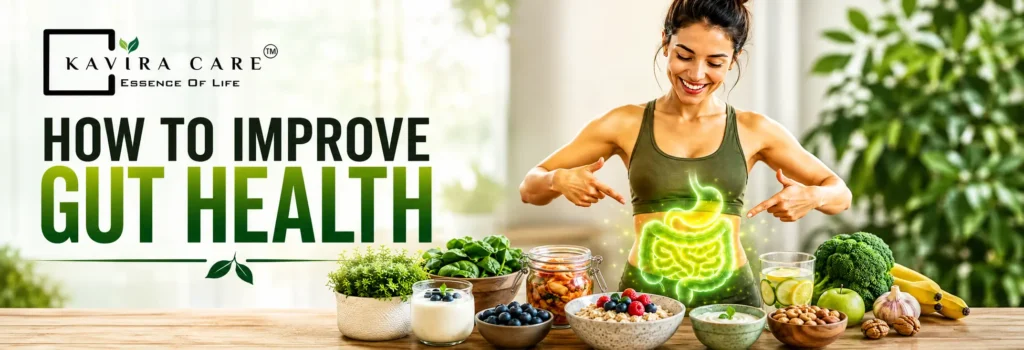
What Is Gut Health?
Learning to improve gut health first starts with understanding what gut health is. Gut health can refer to a few different things depending on what aspect of your digestive system you are looking to improve. The health of your stomach and the health of your intestines are just two parts of your digestive system that need to function properly to get the most out of your food.
However, the largest and most important part of your digestive system in terms of overall health when talking about gut health is the trillions of good and bad bacteria that call your gut home. When the good bacteria outnumber the bad bacteria, your digestive system is functioning the way it is supposed to.
A healthy gut helps your body:
- Digest food properly
- Absorb nutrients
- Produce vitamins
- Support immunity
- Control inflammation
- Maintain mental health
- Improve metabolism
Researchers say that 70% of the immune system is linked to the gut, which is why maintaining gut health is so crucial to staying healthy.
Why Gut Health Is Important
Understanding how to improve gut health is a lot easier when we first understand the importance of gut health and how it can help to improve our health in a number of different ways.
A healthy digestive system provides many benefits:
1. Better Digestion
Good bacteria like to help break down and extract nutrients from the foods that we digest.
2. Stronger Immunity
Proper digestion and the absorption of nutrients by good bacteria in the gut.
3. Improved Mental Health
The gut is known as the second brain. And this “gut-brain axis” allows your gut to have direct communication with your brain.
4. Healthy Skin
Acne, eczema and inflammation of the skin can be connected to poor gut health.
5. Better Weight Management
An optimum balance of gut bacteria can also help with the regulation of appetite and metabolism thus facilitating healthy weight.
6. Reduced Inflammation
Healthy bacteria in your gut help combat chronic inflammation found in diseases.
Signs Your Gut Health May Need Improvement
If you are interested in how to improve gut health naturally then you first need to work out whether your gut needs some work in the first place.
Common symptoms include:
- Frequent bloating
- Constipation
- Diarrhea
- Gas
- Acidity
- Indigestion
- Food intolerance
- Fatigue
- Poor sleep
- Frequent infections
- Bad breath
- Sugar cravings
- Skin issues
- Mood swings
- Brain fog
Don’t assume that having most of these symptoms all the time means that you have a gut bug problem. More likely your gut needs a little support.
What Causes Poor Gut Health?
Several lifestyle habits can damage your gut microbiome.
1. Poor Diet
A diet of processed food, sugar and saturated fat can result in poor gut health by failing to support the growth of good bacteria.
2. Excessive Antibiotics
Antibiotics will kill the bad bacteria and clear up any infections but they can also kill the good bacteria in your gut.
3. Lack of Fiber
Fiber acts as a food source to your good gut bacteria. Without enough fiber in your diet, the good bacteria in your gut will be decreasing in numbers.
4. Chronic Stress
Stress has a profound affect on your gut and has been proven to alter the make-up of your gut bacteria.
5. Poor Sleep
Insufficient sleep may negatively affect gut microbes.
6. Lack of Physical Activity
Regular movement helps maintain a healthy digestive system.
7. Smoking and Alcohol
Both smoking and excessive alcohol consumption can cause damage to the gut lining, causing the bacteria to become unbalanced.
How to Improve Gut Health Naturally
If you’re wondering how to improve gut health naturally, then the good news is that making small changes to your way of life can have a profound effect on your digestive health.
1. Eat More Fiber
Fiber acts as food for beneficial bacteria.
Choose:
- Oats
- Apples
- Pears
- Beans
- Lentils
- Whole grains
- Vegetables
Aim for 25–35 grams of fiber daily.
2. Eat Fermented Foods
Fermented foods contain probiotics—live beneficial bacteria.
Examples include:
- Yogurt
- Kefir
- Kimchi
- Sauerkraut
- Idli
- Dosa
- Kanji
- Homemade pickles (naturally fermented)
Adding these foods to your diet is a simple way to start to learn how to improve gut health through food.
3. Stay Hydrated
Water is needed for digestion and for maintaining the lining of the intestines.
Drink at least 2-3 liters of water per day (unless instructed otherwise by your health care provider).
4. Reduce Sugar Intake
Too much sugar feeds harmful bacteria and yeast.
Replace sugary drinks with:
- Coconut water
- Lemon water
- Herbal tea
- Fresh fruit
5. Eat a Variety of Plant Foods
Each plant contains many different nutrients, some of which can feed beneficial bacteria and so promote health of intestinal lining and overall health.
Try to include:
- Green vegetables
- Fruits
- Seeds
- Nuts
- Whole grains
- Herbs
- Legumes
It is recommended to ingest 30 different types of plant food every week in order to achieve a sufficient gut flora.
Manage Stress directly affects digestion.
Try:
- Meditation
- Yoga
- Walking
- Deep breathing
- Reading
- Spending time in nature
Reducing stress is part of the natural ways to improve gut health.
Sleep Well
Most adults need 7-9 hours of good quality sleep per night. Sleep helps to keep the balance of good gut bacteria and supports digestion.
Exercise Regularly
Physical activity increases microbial diversity.
Aim for:
- Walking
- Cycling
- Swimming
- Strength training
- Yoga
Even 30 minutes of moderate-intensity exercise spread across most days can support the health of the gut microbes.
Avoid Unnecessary Antibiotics
Only take antibiotics when your doctor tells you to do so. Even these must be used with caution as overuse of them can cause much harm to your gut microbiome.
Chew Food Slowly
Digestion begins in the mouth.
Eating slowly:
- Improves digestion
- Reduces bloating
- Prevents overeating
- Supports nutrient absorption
Top 10 Best Foods For Gut Health To Include In Your Diet Daily!
Eat Healthily – Simple Ways to Support Your Gut with Your Diet. You will read of many very useful methods to aid the gut in this article but, the simplest and the best are no doubt some very nutritious foods to add to your daily diet. Many will aid digestion greatly and feed friendly bacteria – creating a healthy gut microbiome.
1. Yogurt
Yogurt contains live bacteria that are great for digestion and also for boosting your immune system.
2. Kefir
Kefir is a great probiotic drink made from fermented milk that contains a huge amount of good bacteria, even more than yogurt.
3. Bananas
Bananas are full of prebiotic fiber that can feed the healthy bacteria that exist in gut to ensure that they continue to multiply and create a healthy balance of gut flora.
4. Oats
Beta-glucan and soluble fiber are found in oats, making them a great addition to a healthy diet in order to digest food properly and encourage growth of beneficial microbes in the gut.
5. Garlic
As a prebiotic, garlic can increase the numbers of healthy bacteria in the gut. 6.
6. Onions
Onions too can form part of your prebiotic rich diet, and work wonders for your health as well.
7. Apples
Apples contain pectin which is a fiber that will help in digesting food and in the process, it will feed the good bacteria in the gut.
8. Leafy Green Vegetables
There are many nutrients found in Spinach, kale and other leafy greens that are of great benefit to our digestive system.
9. Lentils and Beans
These foods supply a lot of fiber and plant protein to your diet to help keep your gut healthy.
10. Berries
Blueberries, strawberries and raspberries are full of antioxidants and fiber which aid in maintaining a healthy gut.
11. Nuts and Seeds
Almonds, walnuts, chia seeds and flaxseeds are full of healthy fats and fiber to support your digestion.
12. Whole Grains
Brown rice, quinoa, barley, and whole wheat can all help to feed good gut bugs.
13. Kimchi and Sauerkraut
A very digestible way to gain the benefits of probiotics to support digestion are Kimchi and Sauerkraut (fermented vegetables).
14. Ginger
Ginger is said to reduce bloating, aid digestion, and also alleviate nausea.
15. Papaya
Papaya contains digestive enzymes such as papain which can help your body to digest food more efficiently.
By adding these healthy gut foods to your diet on a regular basis, you can find out how to improve gut health naturally.
Gut Health Supplements: Do You Really Need Them?
Healthy individuals, consuming a normal diet with plenty of fiber containing foods such as fruits and vegetables and also fermented foods will suffice to maintain and improve gut health. For some individuals however, it may be helpful to use supplements under the advice of a health care provider.
Common gut health supplements include:
1. Probiotics
There are many different types and forms of probiotics, which contain live beneficial bacteria. Probiotics help to rebalance the digestive system.
2. Prebiotics
Prebiotics are fibers that feed good bacteria already present in your gut.
3. Digestive Enzymes
Digestive Enzymes can help the body digest certain foods.
4. Fiber Supplements
Psyllium husk and inulin are two examples of fibers that can be used as supplements in order to increase your fiber intake.
5. L-Glutamine
Supports the intestinal lining of some individuals.
6. Omega-3 Fatty Acids
These healthy fats may help reduce inflammation in the digestive tract to relieve symptoms of various health issues.
A Simple Guide for Selecting The Very Best Gut Health Supplements!
- Third-party tested products
- Transparent ingredient list
- No unnecessary artificial additives
- Trusted manufacturer
- Appropriate dosage
- Expiry date clearly mentioned
Remember that your gut health supplement can only support you in your endeavors to maintain a healthy lifestyle and diet.
Foods That Can Harm Gut Health
Reducing the intake of foods that can potentially cause problems for your gut health is just as important when learning how to improve gut health.
Try to reduce:
- Sugary drinks
- Processed snacks
- Deep-fried foods
- Refined carbohydrates
- Excess alcohol
- Artificial sweeteners (in excess)
- Highly processed meats
- Fast food
- Excessive red meat
- Packaged desserts
These foods can be consumed on an occasional basis but can also cause significant problems for the gut microbiome when consumed on a regular basis.
Simple Daily Routine to Improve Gut Health Naturally
By following a healthy routine you can make a huge difference in your life!
Morning
- Drink a glass of water after waking up.
- Contain fiber for the breakfast such as oatmeal with fruits for example.
- Spend 10–15 minutes walking or stretching.
Afternoon
- Ensure that your lunch includes plenty of vegetables, whole grains and protein.
- Stay hydrated throughout the day.
Evening
- Eat a light dinner with plenty of vegetables.
- Avoid overeating before bedtime.
Night
- Sleep for 7–9 hours.
- Try to avoid using any screens for at least 30 minutes before you go to bed.
These simple habits to improve your gut health naturally are excellent examples for you to follow.
Health experts generally recommend these evidence-based habits:
- Fruits and veggies – eat a rainbow of colors to get a variety of gut loving nutrients!
- Include fermented foods several times a week.
- Consume enough dietary fiber every day.
- Stay physically active.
- Manage stress through meditation or yoga.
- Drink enough water.
- Avoid smoking.
- Limit unnecessary antibiotic use.
- Get quality sleep.
- Have regular health check-ups if digestive symptoms persist.
Be sure to seek help immediately if you’re experiencing severe abdominal pain or have bloody stools. Additionally, if you experience unexplained weight loss or digestive issues that don’t go away and interfere with your daily activities, seek the advice of a healthcare professional who specializes in gut and digestive health.
Conclusion
Know how to improve gut health and it can have incredibly far-reaching benefits. Improving gut health can help support digestion, improve immunity, enhance your skin and boost your energy levels as well as support your mood. The good news is that maintaining healthy gut flora does not have to cost an arm and a leg.
By incorporating healthy gut foods, a healthy amount of water to stay hydrated, regular physical activity, quality sleep, and ways to manage stress into your daily routine you can maintain a healthy digestive system and support the good bacteria in your gut. Even the best gut health supplements are meant to be taken in addition to, not in place of, a healthy diet.
So, make some healthy changes to your life today, choose Start with one or two and stick to them for life. Remember your gut is important so look after it and with small changes to your daily life you can see changes to your overall health and well being in no time.
FAQs
1. What is gut health?
In simpler terms gut health is the health of the beneficial bacteria within you and the health of your digestive system in general.
2. How to improve gut health naturally?
Eat fiber-rich foods, take in plenty of water, engage regularly in physical activity, manage stress and get plenty of sleep.
3. Which foods are best for gut health?
Some of the best gut health foods to include in your diet are: yogurt, kefir, oats, bananas, garlic, onions, leafy greens, beans, berries and whole grains.
4. Are gut health supplements necessary?
No, they are not necessary for everyone. Most people can keep their gut healthy by eating a balanced diet. Supplements can help some people under the guidance from a health care professional.
5. How long does it take to improve gut health?
As for the duration of time it takes to improve your gut health, most people experience positive effects in a few weeks after adopting healthy habits for their digestive system on a regular basis. Please note, that results are individual.
6. Can poor gut health affect the skin?
Yes. Research have shown that gut health had an impact on skin and in some cases can cause acne and eczema due to the gut-skin connection.
7. Does stress affect gut health?
Yes. It has been shown that chronic stress can alter the gut microbiome and can cause digestive problems.
8. Are probiotics good for gut health?
Are Probiotics Good for Your Gut Health? Probiotics could be a product to help with your gut health. They could aid in reestablishing your natural balance of gut bacteria especially after taking antibiotics or on the recommendation of your health care provider.
9. Can drinking water improve gut health?
Yes. Staying hydrated supports digestion, bowel movements, and the intestinal lining.
10. What foods should I avoid for better gut health?
Avoid processed, sugary drinks, fatty fried foods and excessive amounts of alcohol and refined foods.
11. Is exercise important for gut health?
Yes. Regular physical activity is linked to a higher number of beneficial gut bacteria.
12. Can children improve their gut health naturally?
Yes. Children can work to improve their gut health by consuming a balanced diet that includes plenty of fruits and vegetables and by trying to get adequate amounts of sleep and physical activity each day.
13. How much fiber should adults eat daily?
The daily amount of fiber that adults should eat is about 25–35 grams. There are many variables that affect this recommendation, including the age and sex of the adult.
14. What are prebiotics?
Prebiotics: These are non-digestible, fiber materials that provide food for beneficial bacteria that already reside in your gut.
15. Is gut health linked to immunity?
Yes. A large portion of the immune system is found within the gut. Therefore, it is not surprising that the gut health is linked to the immunity.