
Stress Relief: Why It Matters More Than Ever
In today’s fast-paced world, stress has become a common part of daily life. Whether it comes from work pressure, family responsibilities, financial concerns, or lifestyle challenges, stress can affect both mental and physical health. Finding effective methods for stress relief is no longer a luxury—it is a necessity for maintaining overall well-being.
Many people ignore early signs of stress until it begins to impact sleep, energy levels, productivity, and relationships. Fortunately, there are proven techniques and natural solutions that can help manage stress effectively. This guide explores practical strategies, lifestyle changes, and high-quality stress relief products that can support a calmer and healthier life.
What Is Stress?
Stress is the body’s natural response to challenges, demands, or perceived threats. When faced with a stressful situation, the body releases hormones such as cortisol and adrenaline. These hormones prepare the body for a “fight or flight” response.
While short-term stress can be beneficial in certain situations, chronic stress can negatively affect health and quality of life. This is why regular stress relief practices are essential.
Common Signs You Need Stress Relief
Recognizing stress early can help prevent long-term health problems. Some common symptoms include:
- Constant worrying or overthinking
- Difficulty concentrating
- Irritability and mood swings
- Fatigue and low energy
- Poor sleep quality
- Headaches and muscle tension
- Digestive discomfort
- Reduced motivation
If these symptoms persist, implementing effective stress relief strategies can make a significant difference.
The Impact of Chronic Stress on Health
Long-term stress affects nearly every system in the body. Research suggests that unmanaged stress may contribute to:
- High blood pressure
- Sleep disorders
- Weakened immune function
- Digestive issues
- Anxiety and depression
- Reduced productivity
- Hormonal imbalances
This highlights the importance of adopting daily habits focused on stress relief and emotional wellness.
Natural Stress Relief Techniques That Actually Work
1. Deep Breathing Exercises for Stress Relief
One of the simplest and most effective techniques is practicing deep breathing exercises for stress relief. Deep breathing helps activate the body’s relaxation response, reducing heart rate and calming the nervous system.
Try this simple breathing technique:
- Sit comfortably.
- Inhale slowly through your nose for 4 seconds.
- Hold your breath for 4 seconds.
- Exhale slowly through your mouth for 6 seconds.
- Repeat for 5–10 minutes.
Regular deep breathing exercises for stress relief can help improve focus, reduce anxiety, and promote emotional balance.
2. Physical Activity
Exercise is a powerful natural method for stress relief. Physical activity stimulates the release of endorphins, often called “feel-good” hormones.
Popular options include:
- Walking
- Jogging
- Yoga
- Cycling
- Swimming
- Strength training
Even a 20-minute walk can help reduce stress levels significantly.
3. Meditation and Mindfulness
Mindfulness encourages individuals to focus on the present moment without judgment. Practicing meditation regularly can improve emotional resilience and support long-term stress relief.
Benefits include:
- Better focus
- Improved sleep
- Reduced anxiety
- Enhanced emotional control
4. Quality Sleep
Sleep and stress are closely connected. Poor sleep can increase stress levels, while stress can make it difficult to sleep.
Tips for better sleep:
- Maintain a consistent bedtime
- Limit screen time before sleep
- Avoid caffeine late in the day
- Create a comfortable sleep environment
Good sleep hygiene is an essential part of any stress relief routine.
5. Healthy Nutrition
What you eat can affect how your body responds to stress. A balanced diet supports brain function and emotional well-being.
Focus on:
- Fresh fruits and vegetables
- Whole grains
- Nuts and seeds
- Healthy fats
- Adequate hydration
Reducing processed foods and excessive sugar may also support better stress relief outcomes.
The Growing Demand for Stress Relief Products
As awareness about mental wellness increases, consumers are actively searching for effective stress relief products that complement healthy lifestyle practices.
Natural wellness solutions have become particularly popular among individuals looking for convenient and holistic approaches to stress management.
Why People Use Stress Relief Products
People often choose stress relief products because they can:
- Support relaxation
- Promote restful sleep
- Help manage daily stress
- Enhance emotional balance
- Complement mindfulness practices
However, it is important to select products from trusted brands that prioritize quality, transparency, and safety.
Choosing the Right Stress Relief Products
Not all wellness supplements and products are created equal. When evaluating stress relief products, consider the following factors:
Ingredient Quality
Look for ingredients that have traditionally been used to support relaxation and mental wellness, such as:
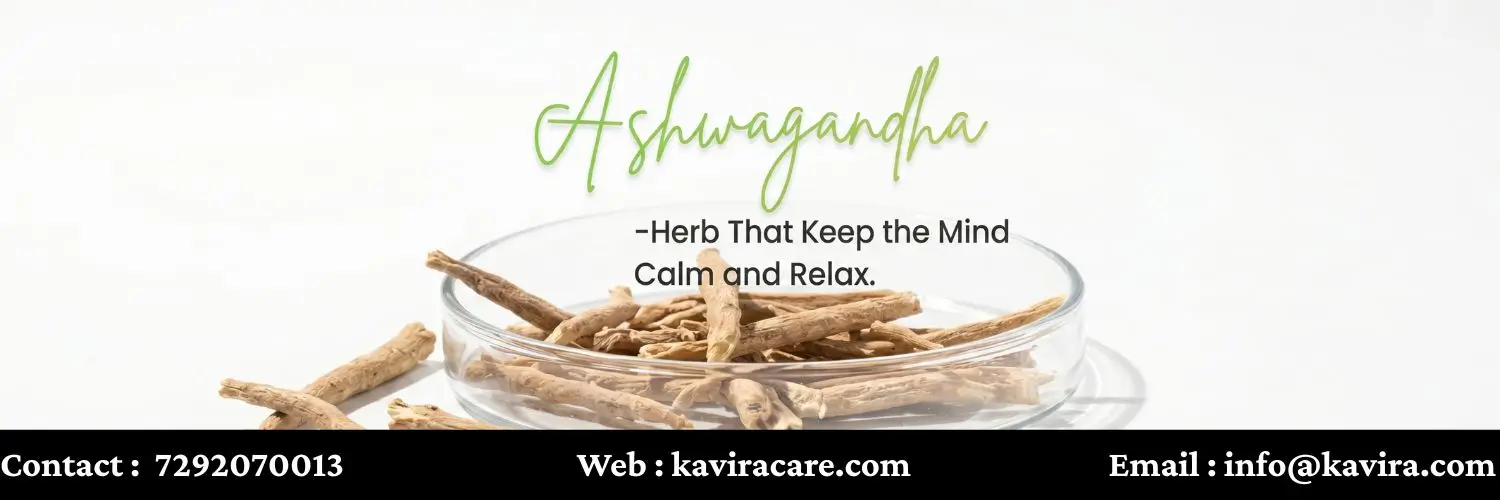
- Ashwagandha
- Brahmi
- Jatamansi
- Tagar
- Shankhpushpi
Third-Party Testing
Reliable manufacturers often conduct quality testing to ensure purity and consistency.
Transparent Labeling
Choose products that clearly list ingredients and dosage information.
Customer Reviews
Reading genuine customer feedback can provide valuable insights into product effectiveness and user experience.
Ayurvedic Approaches to Stress Relaxation
Ayurveda, India’s traditional wellness system, has emphasized mental balance and emotional wellness for centuries. Many Ayurvedic herbs are commonly used to support natural stress relief.
Popular Ayurvedic ingredients include:
Ashwagandha
Brahmi
Traditionally used to support cognitive function, focus, and mental calmness.
Jatamansi
Widely used in Ayurvedic formulations for relaxation and improved sleep quality.
Shankhpushpi
Often included in wellness routines aimed at enhancing memory and reducing mental fatigue.
These herbs are frequently found in premium stress relief products designed for modern lifestyles.
Creating a Daily Stress Relaxation Routine
Consistency is key when managing stress. A simple daily routine can help maintain emotional balance and improve overall wellness.
Morning
- Practice gratitude
- Stretch or do yoga
- Perform deep breathing exercises for stress relief
- Eat a nutritious breakfast
Afternoon
- Take short movement breaks
- Stay hydrated
- Practice mindful breathing
Evening
- Limit screen exposure
- Enjoy a calming herbal tea
- Use trusted stress relief products if appropriate
- Follow a regular sleep schedule
Following a structured routine can significantly improve long-term stress relief results.
Lifestyle Habits That Support Stress Relief
In addition to wellness products and relaxation techniques, several lifestyle habits can contribute to better stress management.
Build Strong Social Connections
Spending time with supportive friends and family can improve emotional resilience.
Limit Information Overload
Constant exposure to negative news and social media can increase stress levels. Setting healthy boundaries can help.
Spend Time in Nature
Research suggests that spending time outdoors may promote relaxation and mental clarity.
Practice Time Management
Planning tasks and setting realistic goals can reduce feelings of overwhelm.
These habits work together to create a sustainable foundation for effective stress relief.
When to Seek Professional Help
While lifestyle changes and wellness products can be beneficial, professional support may be necessary for severe or persistent stress.
Consider consulting a healthcare professional if you experience:
- Chronic anxiety
- Persistent sleep disturbances
- Panic attacks
- Significant mood changes
- Difficulty functioning in daily life
A qualified professional can provide personalized guidance and treatment options.
Conclusion
Stress is an unavoidable part of life, but it does not have to control your well-being. By combining healthy lifestyle habits, mindfulness practices, deep breathing exercises for stress relief, and high-quality stress relief products, individuals can build resilience and improve overall quality of life.
The key to successful stress relief is consistency. Small daily actions often produce the most meaningful long-term results. Whether you choose meditation, exercise, Ayurvedic support, or a combination of approaches, investing in your mental wellness today can lead to a healthier and more balanced future.
FAQs
How do I relieve stress quickly?
Ans. These simple steps can help you feel calmer and reduce stress within minutes.
- Practice deep breathing exercises for stress relief (inhale for 4 seconds, exhale for 6 seconds).
- Take a short 5–10 minutes walks.
- Drink a glass of water.
- Stretch your neck and shoulders.
- Listen to calming music.
- Try meditation or mindfulness for a few minutes.
- Use trusted stress reliefproducts with natural ingredients like Ashwagandha and Brahmi.
How to reduce stress and anxiety immediately?
Ans. These quick techniques can help calm your mind and provide immediate stress and anxiety relaxation.
- Take slow, deep breaths for 1–2 minutes.
- Focus on your surroundings using the 5-4-3-2-1 grounding technique.
- Drink water and relax your shoulders.
- Go for a short walk or do light stretching.
- Listen to calming music or practice mindfulness.
- Avoid caffeine and negative triggers when feeling anxious.
How to calm anxiety at night naturally?
Ans. These natural habits can help relax your mind, reduce anxiety, and improve sleep quality.
- Practice deep breathing exercises for stressrelief before bed.
- Avoid caffeine and heavy meals in the evening.
- Limit screen time at least 30 minutes before sleep.
- Listen to calming music or guided meditation.
- Drink a warm herbal tea.
- Keep your bedroom cool, dark, and quiet.
- Follow a consistent sleep schedule.
What are 7 stress symptoms?
Ans. Common 7 signs of stress include:
- Feeling anxious or worried
- Irritability or mood swings
- Difficulty concentrating
- Trouble sleeping
- Fatigue or low energy
- Headaches or muscle tension
- Changes in appetite
What are the 3 3 3 rules for stress?
Ans. The 3-3-3 rule is a simple grounding technique used to reduce stress and anxiety:
- Name 3 things you can see
- Name 3 things you can hear
- Move 3 parts of your body (such as your fingers, toes, or shoulders)
This technique helps shift your focus from stressful thoughts to the present moment, promoting quick relief and a sense of calm.